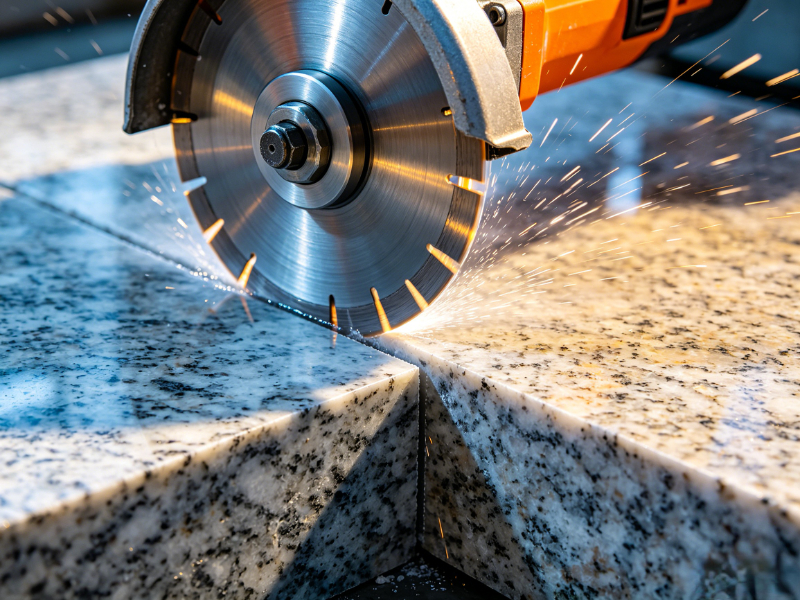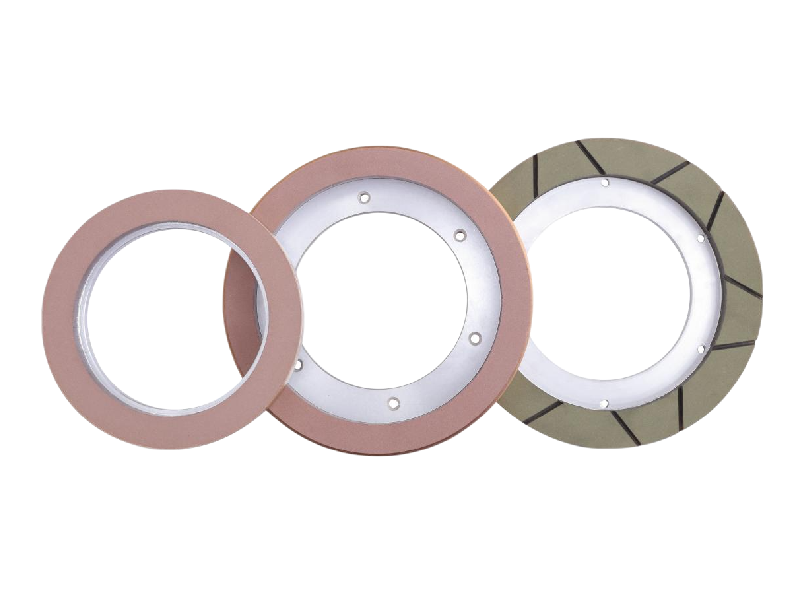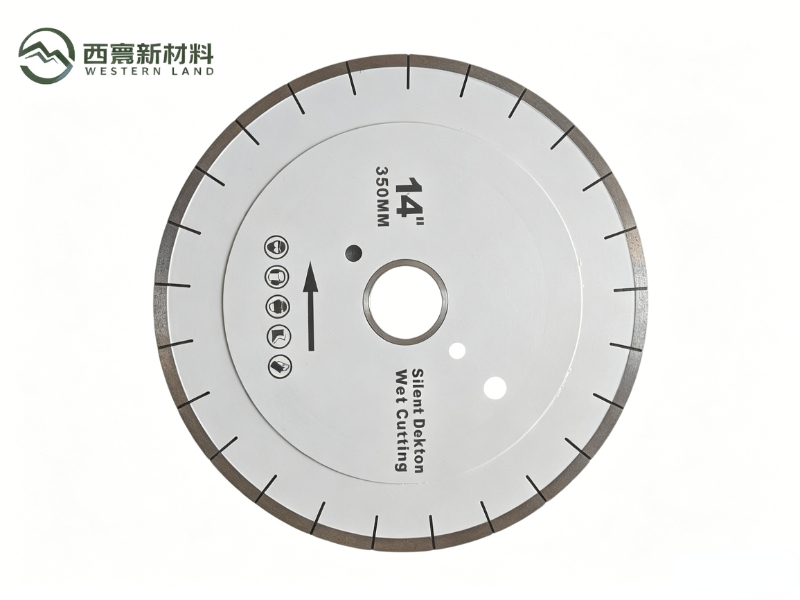
Grinding wheels are critical tools in manufacturing, metalworking, and precision engineering. Choosing the right wheel ensures efficiency, quality finishes, and safety. This guide breaks down grinding wheel codes, components, and selection rules to simplify your decision-making.
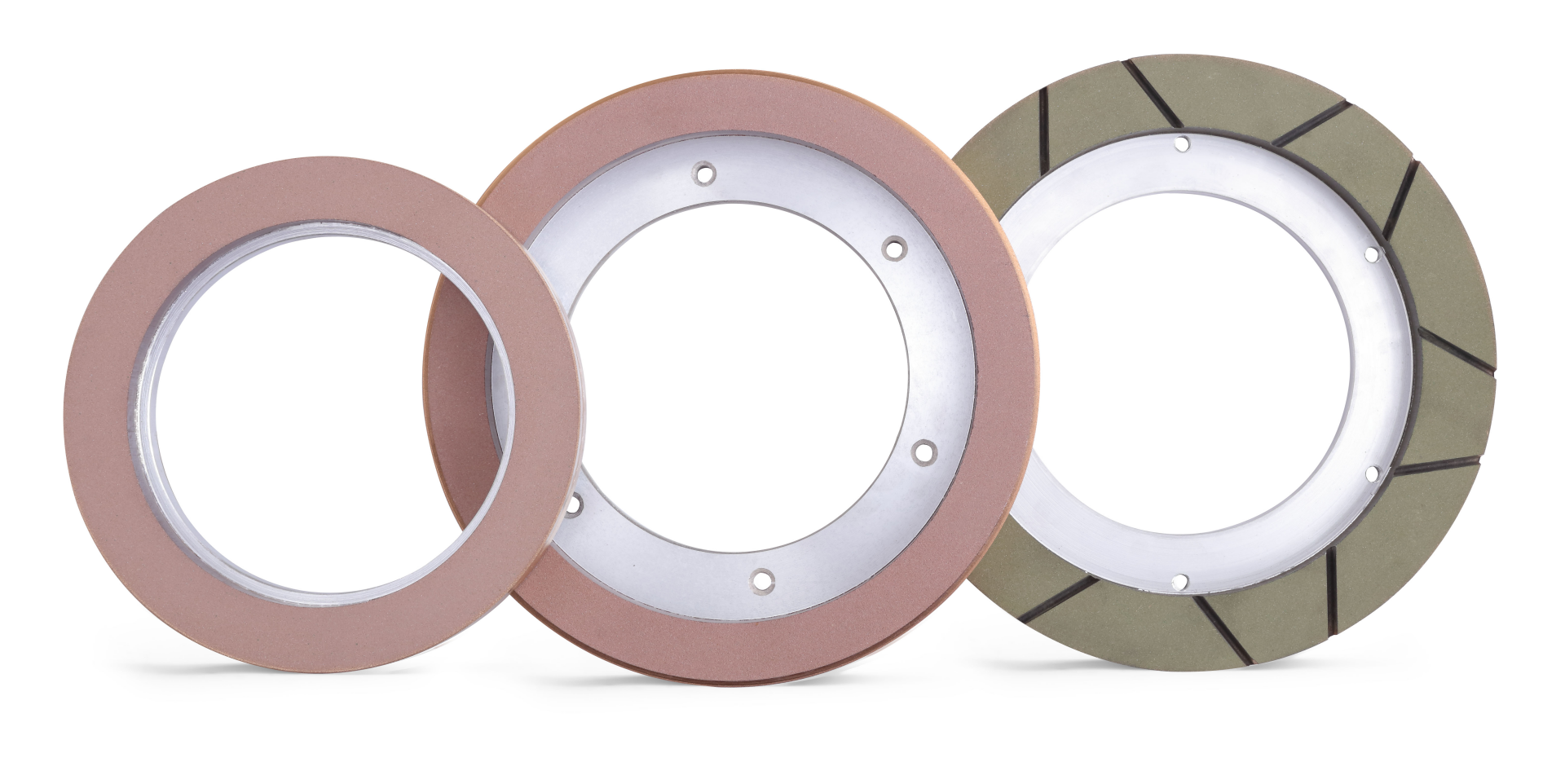
What Are Grinding Wheel Codes?
Grinding wheel codes are standardized alphanumeric symbols that describe a wheel’s core properties:
- Abrasive material
- Grit size
- Hardness grade
- Grain structure
- Bond type
Understanding these codes prevents issues like workpiece burning, low material removal rates, or premature wheel wear.
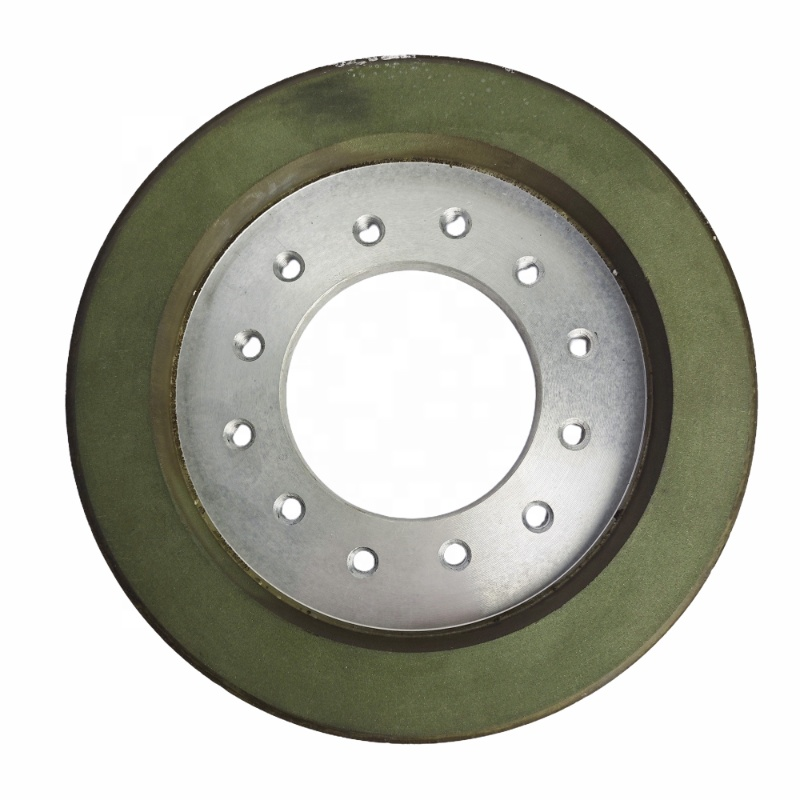
1. The Standard Format of Grinding Wheel Codes
Most grinding wheel codes follow this structure:Abrasive + Grit Size + Grade + Structure + Bond
Examples:
- A 46 K 5 V
- GC60J7B
- D 126 R 100 M (for super-abrasive wheels)
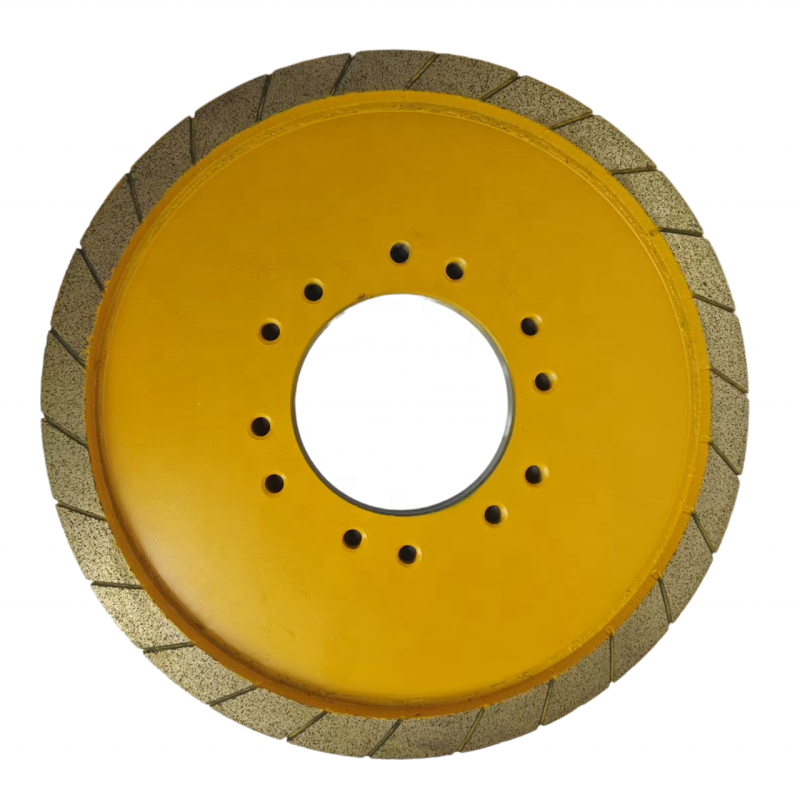
2. Decoding Each Part of the Code
(1) Abrasive Type (First Letter/Letters)
The abrasive is the cutting material in the wheel—chosen based on the workpiece material:
| Code | Abrasive | Typical Applications |
| A | Brown Aluminum Oxide | Carbon steel, alloy steel |
| WA | White Aluminum Oxide | Hardened steel,tool steel
|
| PA | Pink Aluminum Oxide | Stainless steel, hard steels |
| C | Black Silicon Carbide | Cast iron, non-ferrous metals |
| GC | Green Silicon Carbide | Carbide, glass, ceramics |
| D | Diamond
|
Stone, ceramics, carbide
|
| CBN | Cubic Boron Nitride | Hardened steel, die steel |
Rule of Thumb:
- Aluminum oxide → steels
- Silicon carbide → hard/brittle materials
- Diamond/CBN → super-hard materials
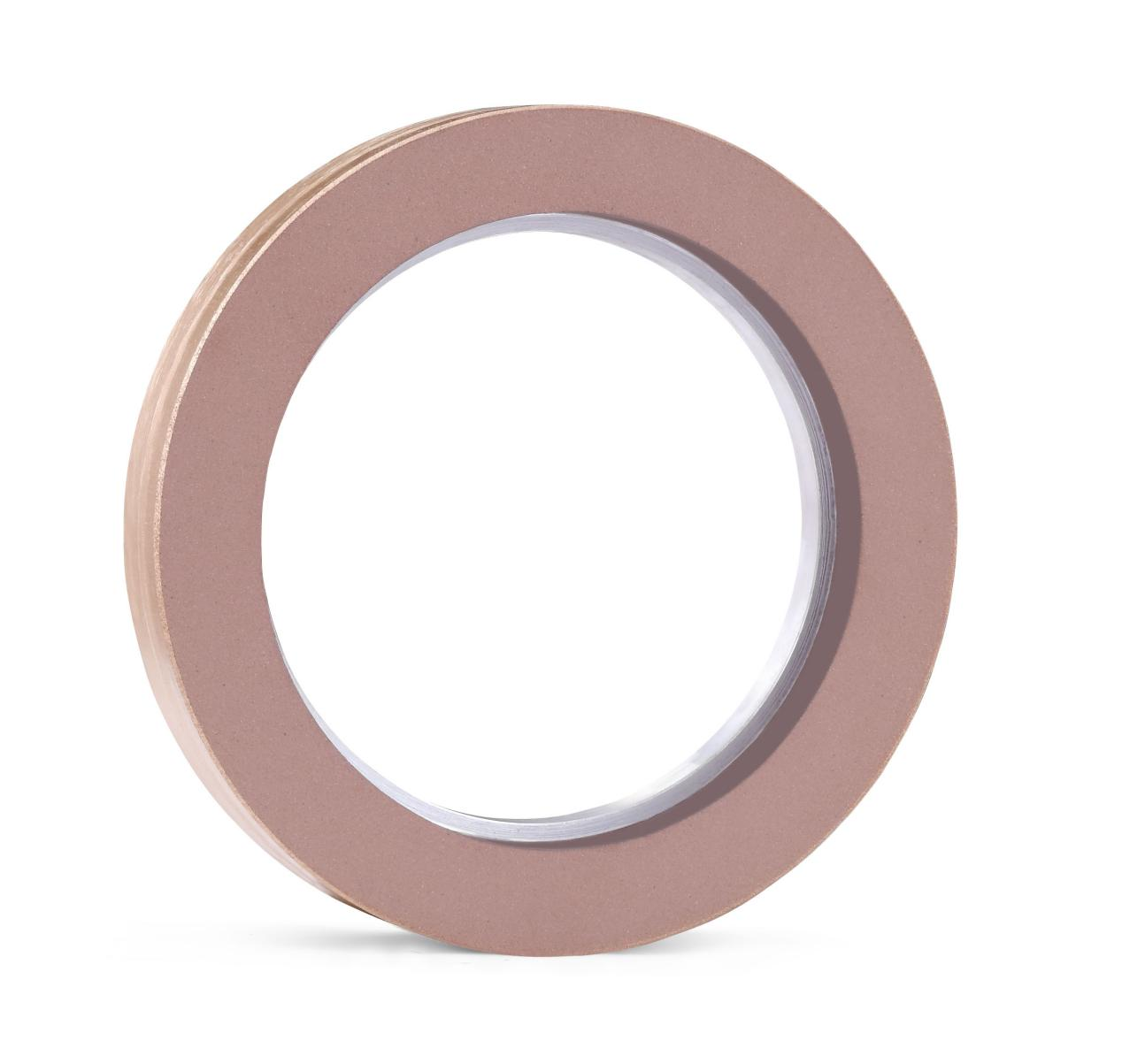
(2) Grit Size (Number)
Grit size refers to the abrasive grain diameter (smaller number = coarser; larger number = finer):
| Grit Range | Characteristic | Common Use
|
| 16–24 | Very coarse | Heavy stock removal |
| 36–46 | Medium-coarse | General grinding |
| 60–80 | Medium-fine | Precision grinding |
| 100–240 | Very fine | Finishing, polishing
|
Examples:
- 46 = general-purpose grinding
- 60/80 = smoother surface finishes
(3) Grade (Hardness–Letter)
Grade describes how tightly the bond holds abrasive grains (not the abrasive’s hardness).
Ranges from A (softest) to Z (hardest):
| Grade Range | Meaning
|
| H–J | Soft |
| K–M | Medium |
| N–P | Hard |
| R+ | Very hard |
Key Principle:
- Hard workpiece → soft wheel
- Soft workpiece → hard wheel
(4) Structure (Number)
Structure defines the spacing between abrasive grains:
| Structure | No. Description |
| 1–4 | Very dense |
| 5–7 | Medium(most common)
|
| 8–12 | Open |
Open Structure Benefits:
- Better heat dissipation
- Less wheel loading (clogging)
- Ideal for stainless steel/aluminum
(5) Bond Type (Last Letter)
The bond holds abrasive grains together—impacts strength and thermal resistance:
| Code | Bond | Characteristics |
| V | Vitrified | Most common; rigid, heat-resistant |
| B | Resin | Sharp cutting; elastic |
| R | Rubber | Smooth cutting; thin wheels |
| M | Metal | For diamond/CBN wheels |
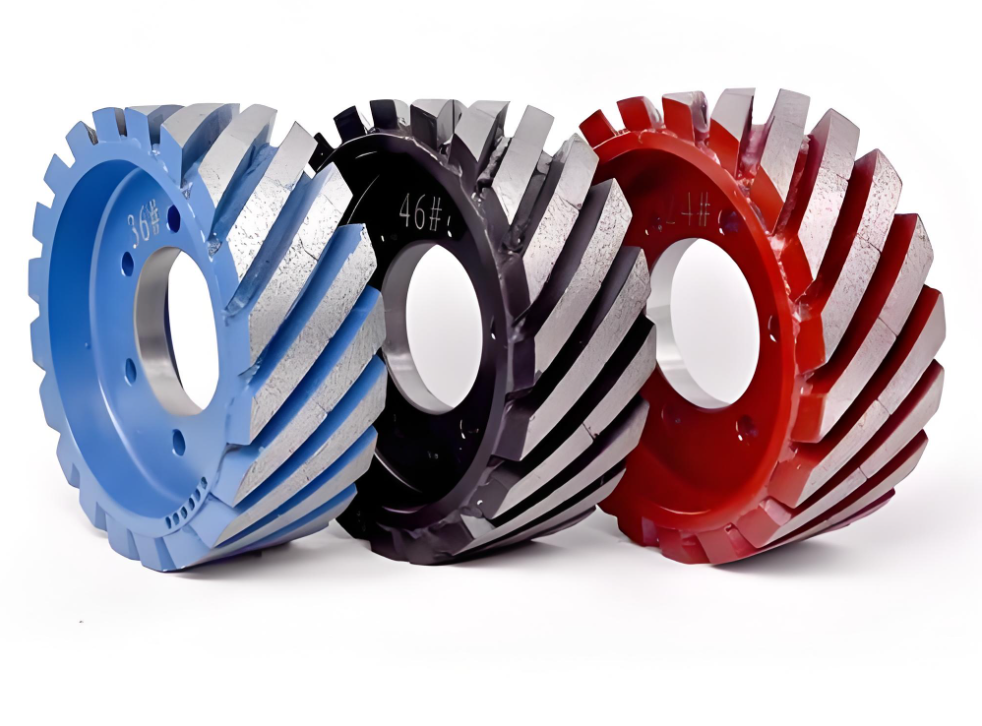
3. Code Examples
Example 1: WA 60 K 7 V
- WA = White aluminum oxide
- 60 = Medium-fine grit
- K = Medium-soft grade
- 7 = Medium structure
- V = Vitrified bond
- Use: Precision grinding of hardened steel/tools
Example 2: GC 46 J 5 B
- GC = Green silicon carbide
- 46 = Medium-coarse grit
- J = Soft grade
- 5 = Dense structure
- B = Resin bond
- Use: Grinding carbide, quartz, or stone
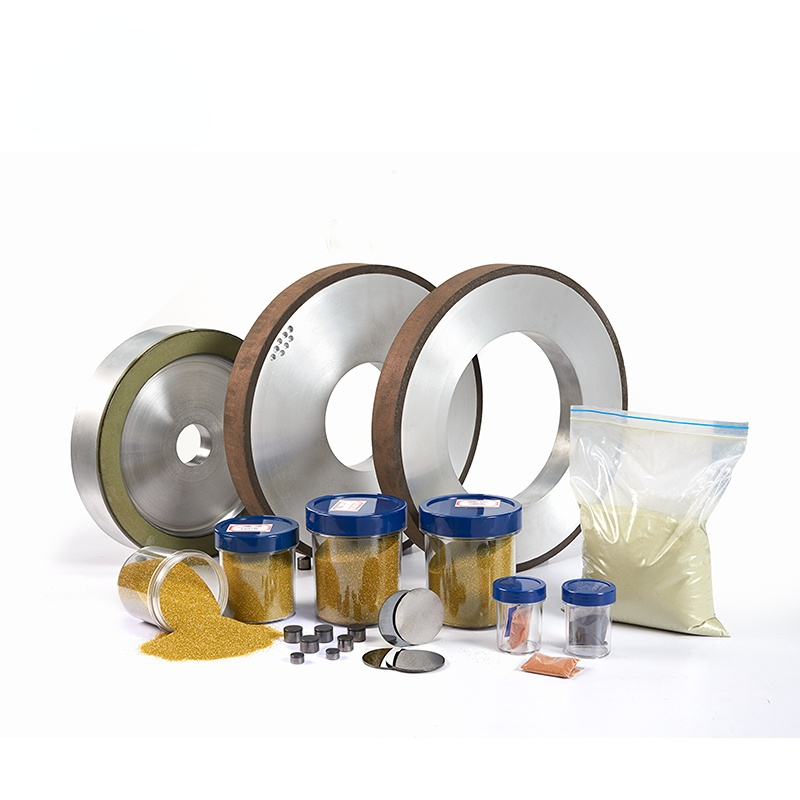
Example 3: D 126 R 100 M
- D = Diamond
- 126 = ISO grit size
- M = Metal bond
- Use: Machining stone, ceramics, or PCD tools
4. Quick Selection Checklist
- Pick the abrasive based on your workpiece material
- Choose grit size for your desired surface finish
- Select a softer grade for hard workpieces (and vice versa)
- Use open structure to avoid wheel clogging
- Opt for vitrified bond for high-temperature applications
Conclusion
Selecting the right grinding wheel is not just a matter of tool choice—it directly impacts production efficiency, workpiece quality, and operational costs. By mastering the grinding wheel code system, you can match the wheel’s abrasive, grit, grade, structure, and bond to your specific application (whether it’s heavy stock removal for steel or precision finishing for ceramics).
Always remember: the “right” wheel balances performance and longevity—soft wheels for hard materials, open structures for heat-sensitive workpieces, and vitrified bonds for high-temperature environments. With this guide, you can confidently choose grinding wheels that optimize results while minimizing downtime.
For personalized recommendations or custom grinding solutions, contact our technical team today.